
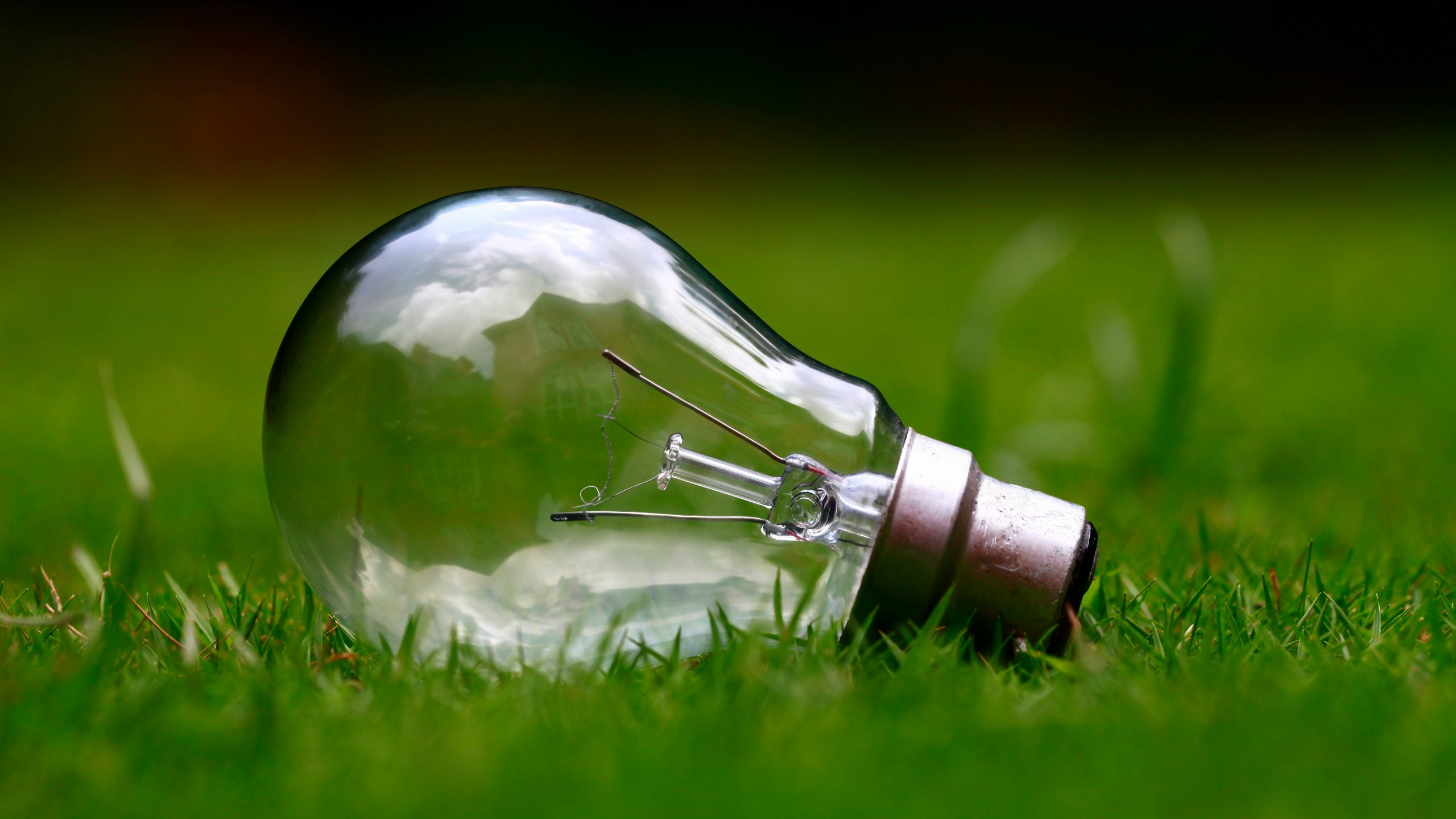
If you think living sustainably means giving up modern comforts, think again. Eco-friendly technology has come a long way, offering tools and gadgets that quietly reduce your environmental impact without changing your lifestyle. From smart devices that manage energy use to solar-powered essentials, these innovations let you live greener while keeping convenience intact.
Here are some surprising pieces of eco-friendly tech that can make a real difference at home, in travel, or even at work.
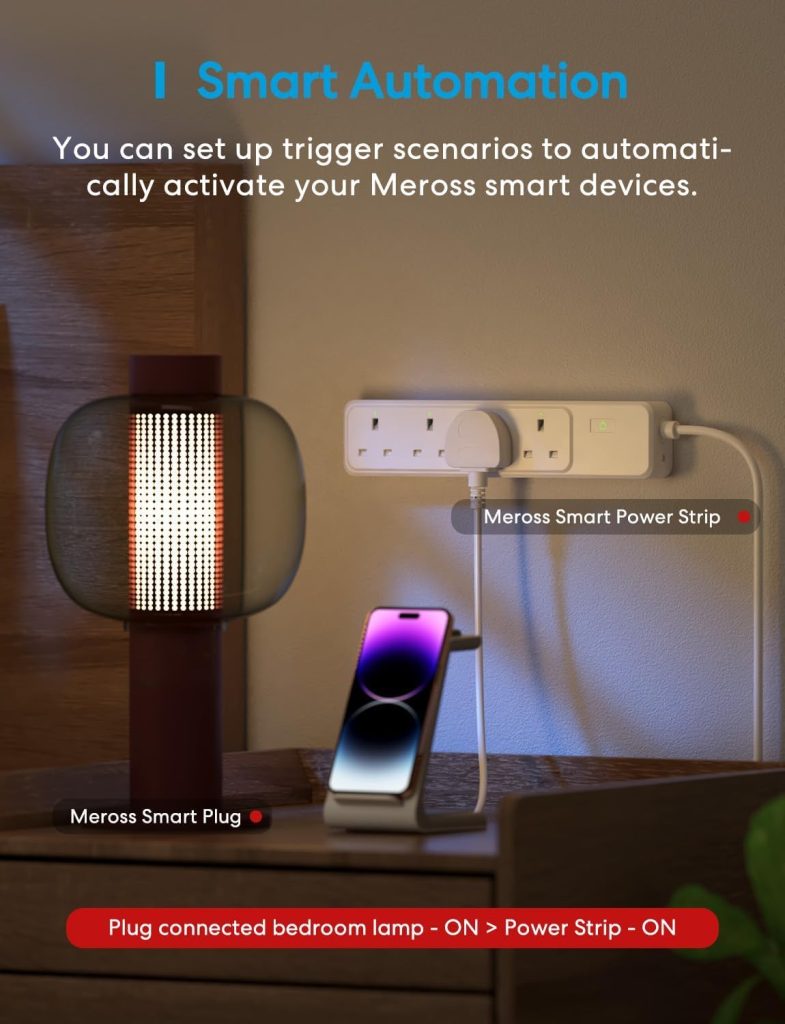
Smart Plugs That Cut Power When You Don’t Need It
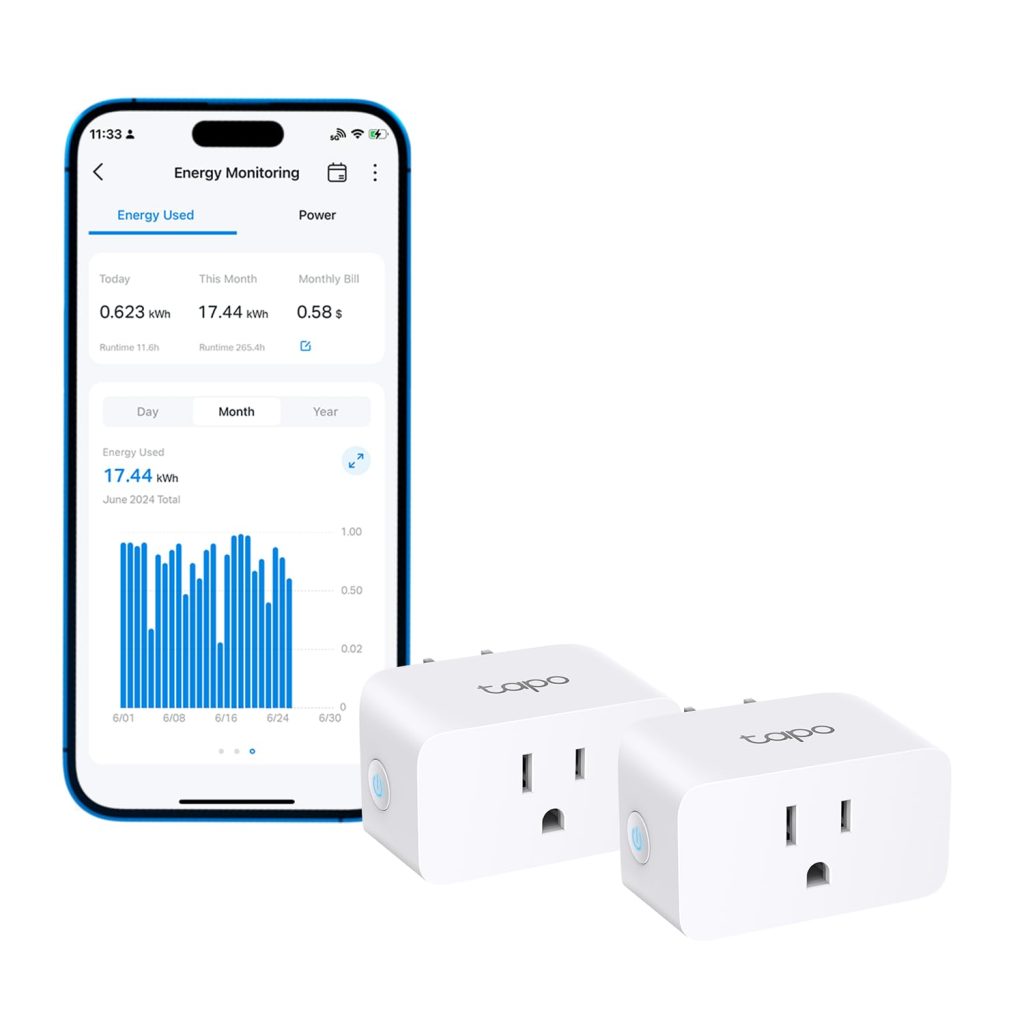
Many of us leave devices plugged in overnight: phone chargers, monitors, coffee machines, or entertainment systems. This “vampire energy” can account for up to 10% of household electricity waste. Smart plugs solve this problem by automatically cutting off power when devices are idle.
Most models can be scheduled via your smartphone or voice assistants like Alexa and Google Assistant. Beyond energy savings, you’ll likely see a small dip in your monthly power bill, making them practical as well as sustainable.
Try: TP-Link Kasa Smart Plug, Meross WiFi Smart Plug
Pros: Affordable, easy to install, integrates with home assistants
Cons: Requires Wi-Fi connection to function
Best for: Apartment dwellers, busy households, tech-savvy users
Solar-Powered Power Banks
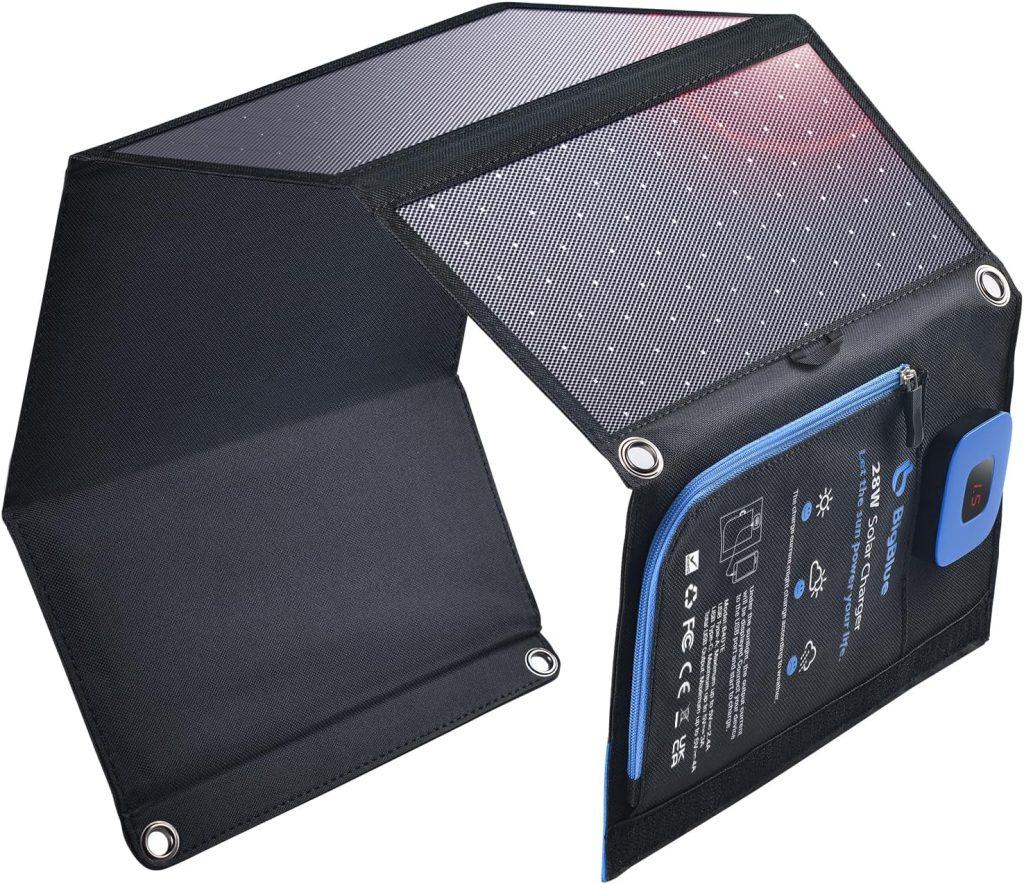
For travelers, hikers, or anyone who forgets to charge their devices, solar-powered power banks are a surprisingly useful eco gadget. Unlike conventional battery packs, these devices charge through sunlight and can power your phone or tablet multiple times without drawing electricity from the grid.
Many models now include high-capacity batteries and foldable solar panels, making them portable and efficient. Using solar power reduces reliance on fossil-fuel-based electricity and encourages a more sustainable mindset.
Try: BigBlue 28W Solar Charger
Pros: Portable, renewable energy, reliable outdoors
Cons: Slower charging indoors or on cloudy days
Best for: Travelers, hikers, outdoor workers

Energy-Monitoring Smart Strips
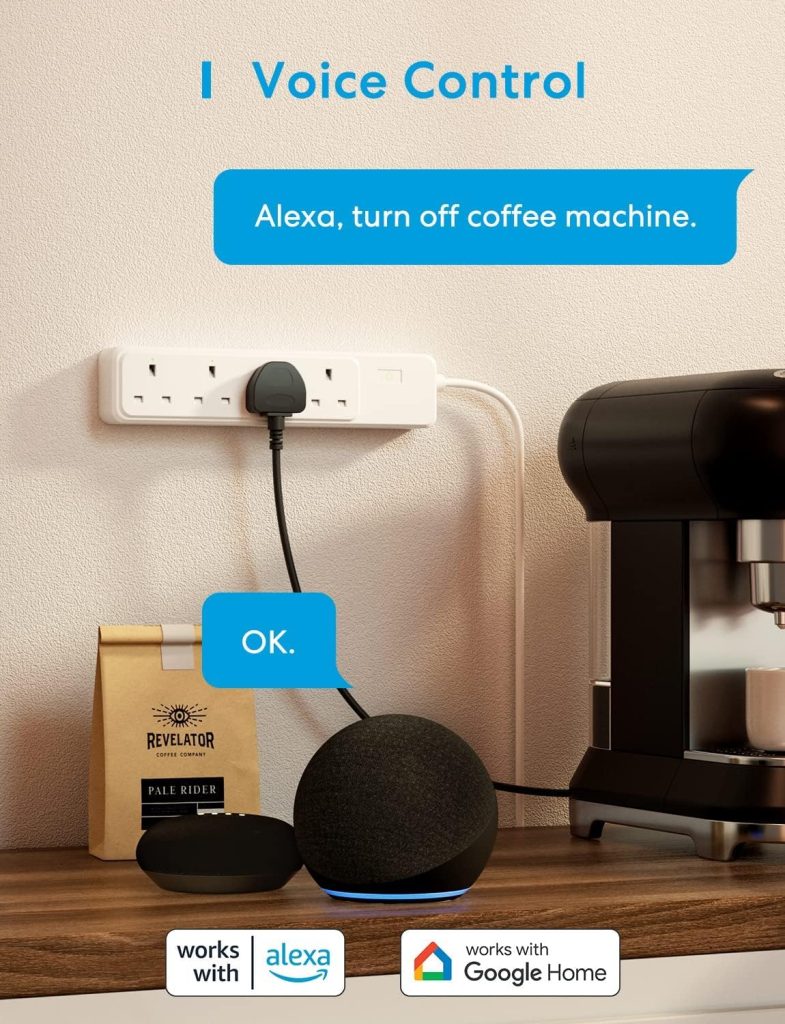
Smart power strips go beyond standard extension cords by monitoring real-time energy consumption. They automatically cut off idle devices, which can save up to 10% of a household’s monthly electricity use.
These are especially useful for home offices, entertainment centers, or kitchens where multiple devices are used simultaneously. Once set up, they run in the background, silently reducing energy waste.
Try: Meross WiFi Smart Power Strip
Pros: Monitors energy, automatic shutoff, reduces energy costs
Cons: Slightly more expensive than standard strips
Best for: Tech-heavy households, offices, eco-conscious families
Smart Thermostats and Air Conditioners
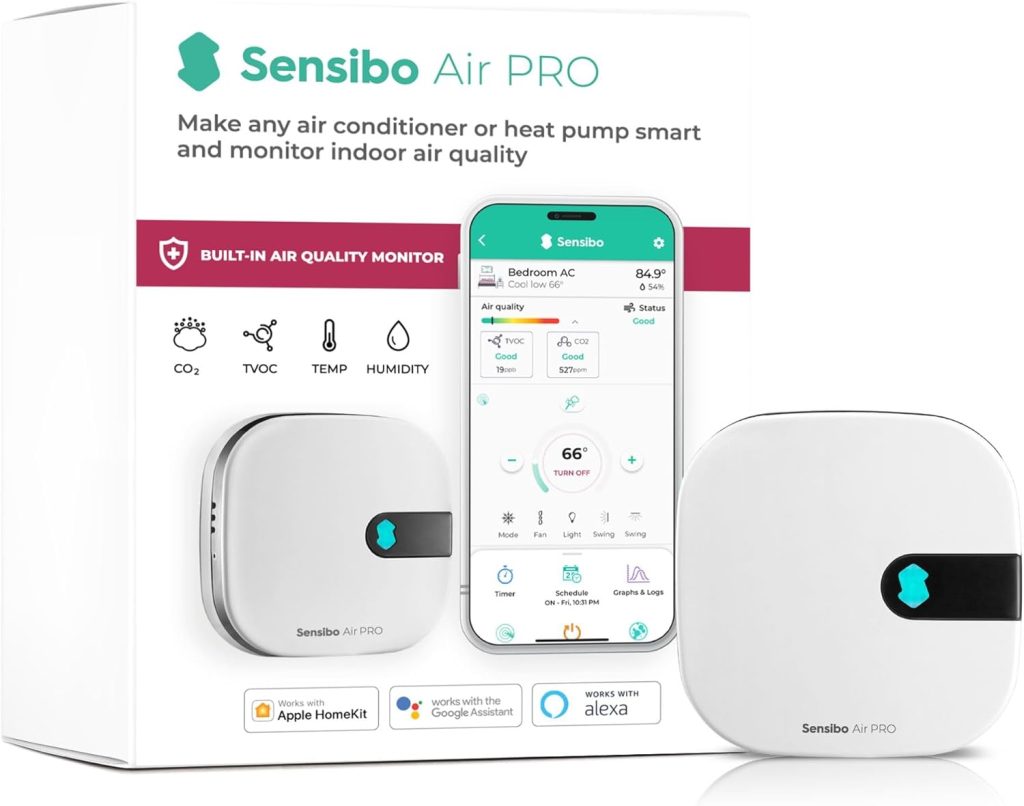
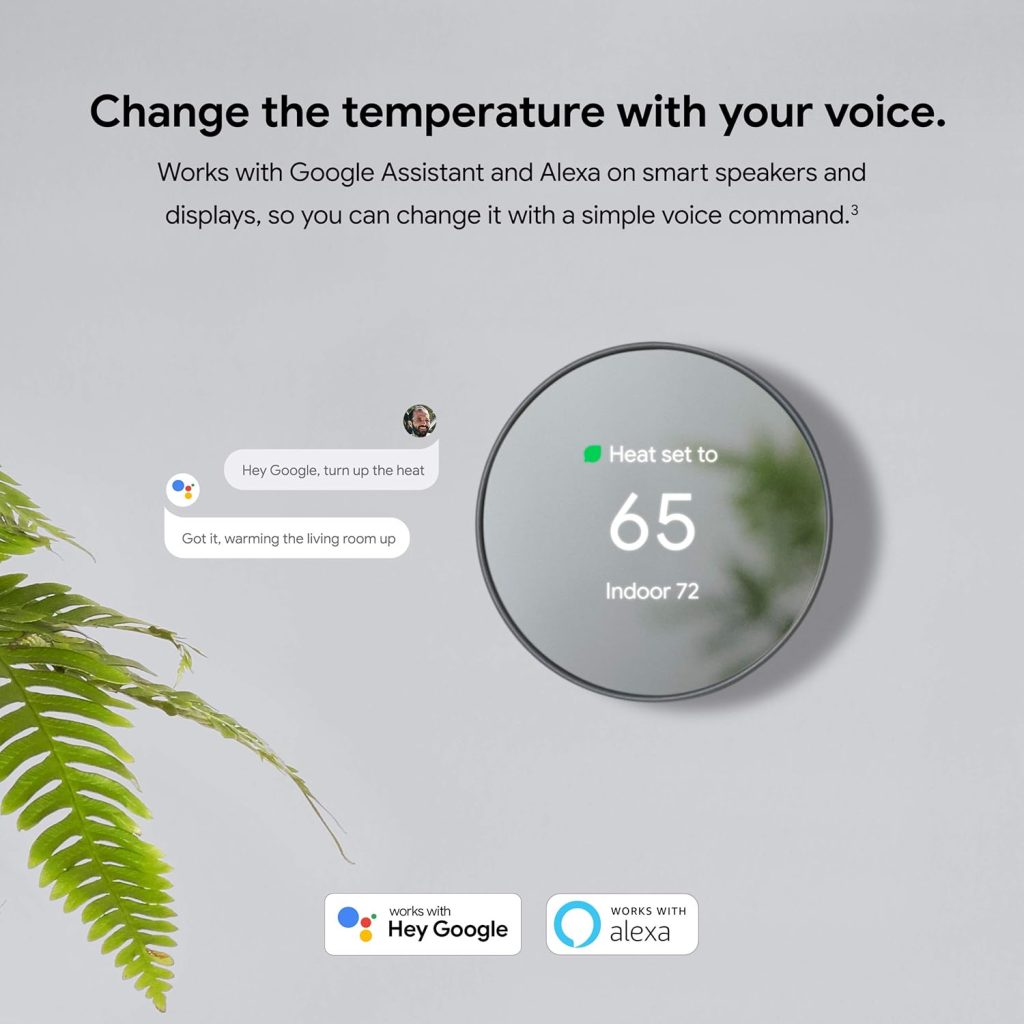
In tropical climates, air conditioning is often the largest household energy consumer. Smart thermostats and smart AC controllers learn your routines and adjust temperature settings automatically. This can save up to 25% in energy costs, while keeping your home comfortable.
Some models integrate with weather forecasts to optimize heating or cooling based on outside temperatures. Others allow remote control through a smartphone app, ensuring no energy is wasted when the home is empty.
Try: Google Nest Thermostat, Sensibo Air Pro
Pros: Energy-saving, automated, easy control via app
Cons: Initial cost is higher than traditional thermostats
Best for: Apartment or house residents in tropical or temperate regions
Small Steps, Big Impact
Being sustainable doesn’t mean living off-grid or buying every green product. Sometimes, it’s about smart, incremental swaps that fit naturally into your lifestyle. Even small changes, like using a smart plug or solar charger, can reduce your energy consumption and carbon footprint over time.
Start with one or two of these gadgets, and you’ll quickly see that eco-friendly living can be easy, practical, and stylish. Adopting simple sustainable technologies helps:
- Reduce energy consumption and lower household costs.
- Promote renewable energy adoption.
- Encourage a mindset of conscious consumption.
By combining smart devices with eco-friendly habits, every household can contribute to a cleaner, greener future.