Electric vehicles are often discussed in terms of range, charging speed, and performance. The battery itself usually stays in the background, even though it determines cost, weight, and long-term sustainability.
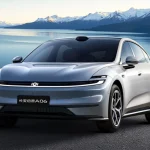
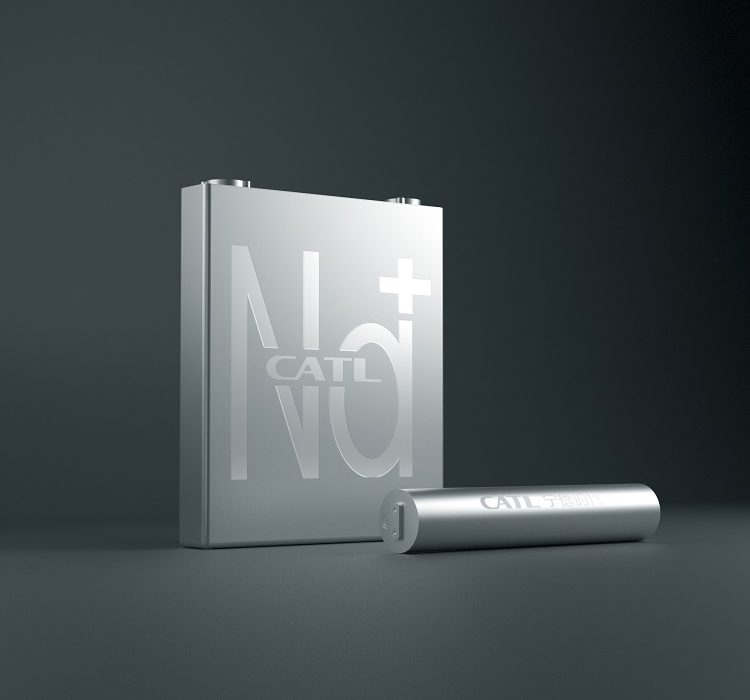
That may begin to shift as Contemporary Amperex Technology Co Ltd prepares to install sodium-ion batteries in passenger cars from the second quarter of 2026. The move does not replace lithium-ion technology overnight. Instead, it introduces an alternative chemistry aimed at everyday practicality.
A More Abundant Element
Lithium has powered the modern EV revolution, but it comes with challenges. Supply chains are concentrated, extraction can be environmentally intensive, and demand continues to grow.
Sodium offers a different starting point. It is abundant and widely available, derived from common salt and naturally occurring minerals. This does not eliminate environmental impact, but it changes the material foundation of the battery. A more common element can ease supply pressure and potentially stabilise costs over time.
In a sector defined by material dependency, that shift matters.
Designed for Real-World Use
Sodium-ion batteries generally have lower energy density than the most advanced lithium-ion systems. They are unlikely to power the longest-range vehicles on the market.
But not every car needs maximum range. Urban vehicles, short commutes, shared mobility fleets, and entry-level EVs often prioritise affordability and reliability over extreme performance.
Sodium-ion chemistry has also shown promising resilience in lower temperatures, where lithium systems can experience performance drops. This steadiness can reduce the need for complex thermal management, subtly influencing vehicle design and overall system simplicity.
Rather than competing at the top end, sodium-ion batteries may find their place in the middle ground. Practical. Sufficient. Adapted to daily life.
Rethinking Battery Diversity
For years, lithium-ion has dominated the conversation around electric mobility. The emergence of sodium-ion suggests that the future may not rely on a single chemistry.
Different batteries can serve different purposes. High-energy density packs for long-distance travel. More abundant, lower-cost systems for city mobility. A layered approach that reflects how vehicles are actually used.
This diversification mirrors broader sustainability thinking. Instead of pushing one material to meet every demand, we begin to match materials more thoughtfully to context.
A Subtle Shift in the Foundation
If sodium-ion batteries begin appearing in everyday passenger cars from 2026, drivers may not notice the change. The exterior design will look familiar. The driving experience will feel similar.
Yet the foundation of the vehicle will be slightly different. A battery built from a more common element carries a quieter message about resource use and material choices.
Sustainable progress is not always visible. Sometimes it begins beneath the surface, in the chemistry that powers movement itself.