
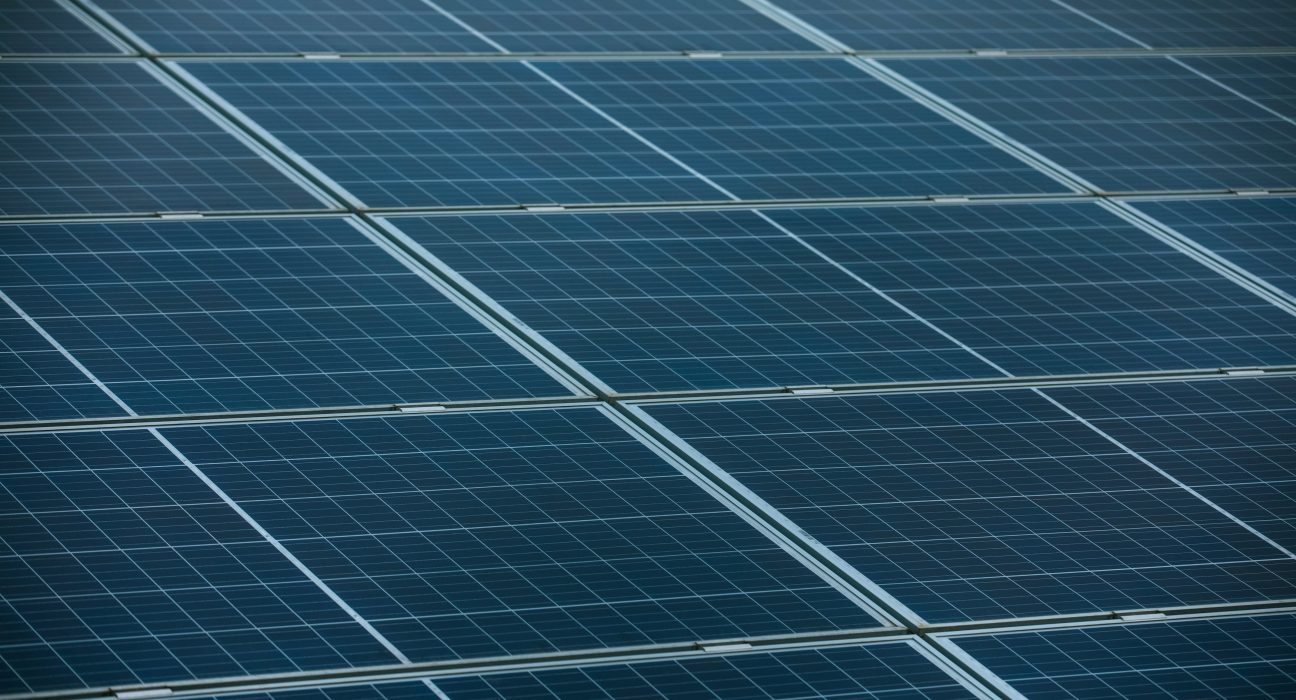
Researchers at The Hong Kong Polytechnic University, led by Yin Jun, have reached a major milestone in solar energy research. Their latest perovskite/silicon tandem solar cells are now approaching 40 percent efficiency, meaning nearly 40 percent of incoming sunlight can be converted directly into electricity.
This figure represents a significant leap beyond conventional silicon solar panels, which typically operate at efficiencies of around 20 to 23 percent. Even many advanced commercial panels struggle to exceed 25 percent. Reaching close to 40 percent places this technology among the most efficient solar devices ever reported in academic research.
Why Tandem Solar Cells Are Different
Traditional solar panels rely on a single material layer, usually silicon, to absorb sunlight. While silicon is reliable and durable, it cannot capture all wavelengths of light efficiently. Some energy is inevitably lost as heat.
Tandem solar cells solve this limitation by stacking two materials with complementary properties. In this case, a perovskite layer absorbs high-energy light, while a silicon layer captures lower-energy wavelengths that pass through. By sharing the workload, the tandem structure extracts more usable energy from the same sunlight.
However, stacking materials introduces a new problem: energy losses often occur at the interface where the two layers meet.
How This Breakthrough Reduces Energy Loss
The PolyU team addressed this challenge with a carefully engineered interface design. They introduced two ultra-thin interfacial layers: lithium fluoride (LiF) and a specially designed organic molecule known as EDAI.
These layers act as a bridge between the perovskite and silicon layers, allowing electrons to move more smoothly across the interface. By reducing electrical resistance and suppressing defects that trap charge carriers, the design significantly cuts energy losses that typically limit tandem cell performance.
The researchers also incorporated a textured silicon surface that traps incoming light more effectively. This micro-scale texturing increases the amount of sunlight absorbed without increasing the physical size of the cell, boosting efficiency while maintaining stability.
Why Higher Efficiency Matters Beyond the Lab
Efficiency gains are not just a technical achievement. They have real-world implications for cost, land use, and climate impact.
More efficient solar cells generate more electricity from the same area, reducing the amount of land, materials, and mounting infrastructure required. This is especially important in dense urban regions and land-constrained countries, where space for large solar farms is limited.
Higher efficiency also drives down the cost per unit of electricity over the system’s lifetime, making solar power more competitive with fossil fuels. Because the PolyU design is still based on silicon, it has the potential to integrate into existing manufacturing lines, reducing the barriers to commercial adoption.
From Laboratory to Real-World Deployment
Despite the promising results, several challenges remain before this technology can be widely deployed.
Scaling the production of perovskite/silicon tandem cells must be done at a cost that makes commercial sense. Long-term durability is another critical factor. Solar panels must withstand years of exposure to heat, humidity, rain, and ultraviolet radiation without degrading.
This is particularly relevant for tropical and subtropical regions, including much of Southeast Asia, where solar potential is high but environmental conditions are demanding. Proving that these cells can maintain performance in such climates will be a key step toward real-world adoption.
A Glimpse of the Next Solar Era
This breakthrough signals a shift toward a new generation of solar technology, one that extracts more energy from the sun without requiring entirely new infrastructure. By combining advanced materials science with thoughtful engineering, the PolyU team has demonstrated that meaningful efficiency gains are still possible.
If these tandem cells can be scaled and stabilised, they could accelerate the global transition to cleaner energy by making solar power more efficient, more affordable, and easier to deploy. In a world racing to reduce emissions, capturing more power from every ray of sunlight could make a measurable difference.
Source:
Solar Cells Near 40% Efficiency via New Research. Miragenews.