Japan has opened one of the most promising osmotic power plants to date. The new Fukuoka facility uses the natural difference between saltwater and freshwater to generate clean electricity. Engineers call this salinity-gradient power. It is sometimes known as blue energy.
The world’s first osmotic power plant opened in 2009 in Tofte, Norway. Built by Statkraft, it tested a pressure-retarded osmosis system with a semi-permeable membrane. The plant only produced a few kilowatts, but it proved the concept. Statkraft ended the project in 2013 due to high costs and early membrane limitations. The lessons from this pilot shaped the next decade of blue-energy research.
The idea behind osmotic power is simple. When freshwater meets concentrated seawater, ions move through a membrane. This movement creates pressure that can turn a turbine and generate electricity. The main requirement is a steady flow of two different water sources.
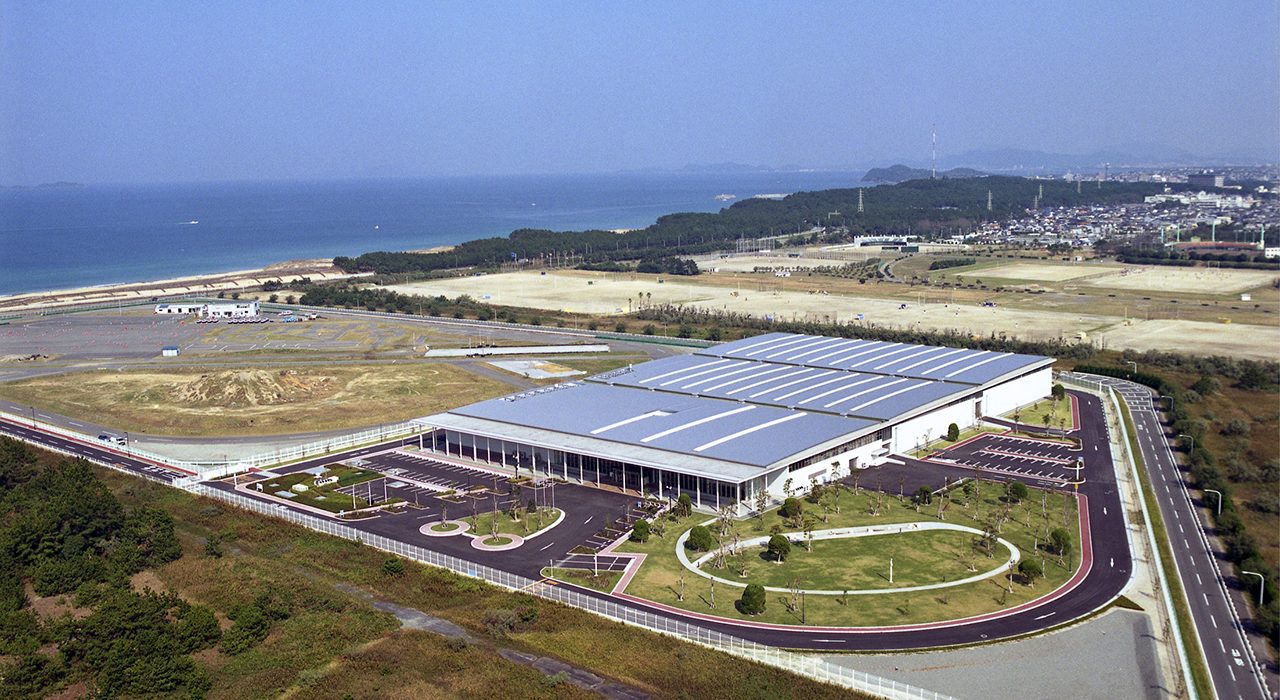
Fukuoka’s plant uses desalination brine. Brine has a higher salt content than ordinary seawater. This creates a stronger gradient and more usable energy. The plant sits within the Uminonakamichi Nata Seawater Desalination Center, where the osmotic system taps directly into existing brine flows. The plant sends a continuous flow of freshwater against this concentrated stream to capture as much pressure as possible. Annual output is reported at around 880,000 kilowatt hours.
Japan’s engineers highlight several benefits. There is no combustion, no smoke stack, and no fuel supply. The system sits beside existing water infrastructure. It also recovers some of the energy normally lost during desalination. This allows the plant to use water flows that are already available.
There are challenges. Osmotic systems lose energy in pumps and pipes. Membranes can clog or degrade over time. These issues affected earlier systems and slowed commercial development. The team behind Fukuoka reports that newer membranes and low-friction pumps improve performance. Their goal is a consistent and low-maintenance operation.
Other countries have tested similar ideas. The Afsluitdijk pilot in the Netherlands used reverse electrodialysis to mix river and seawater. Research groups in the United States have explored pairing treated wastewater with seawater. These experiments helped improve membrane design and deepen understanding of salinity gradients in real environments.
Fukuoka stands out because it is larger, more recent, and focused on using desalination brine. This stronger gradient could lead to more compact and efficient plants. If the system proves reliable, Japan’s coastal regions may gain a new form of renewable energy that runs day and night and integrates well with water-treatment facilities.
Blue energy is still young, yet the Fukuoka plant shows how much progress has been made since the early trials in Norway. It highlights how overlooked water flows could become a quiet source of clean electricity.
Photo courtesy of Obayashi.