Chinese carmaker Changan Automotive is preparing to release what it describes as the world’s first mass-produced passenger EV powered by a sodium-ion battery.
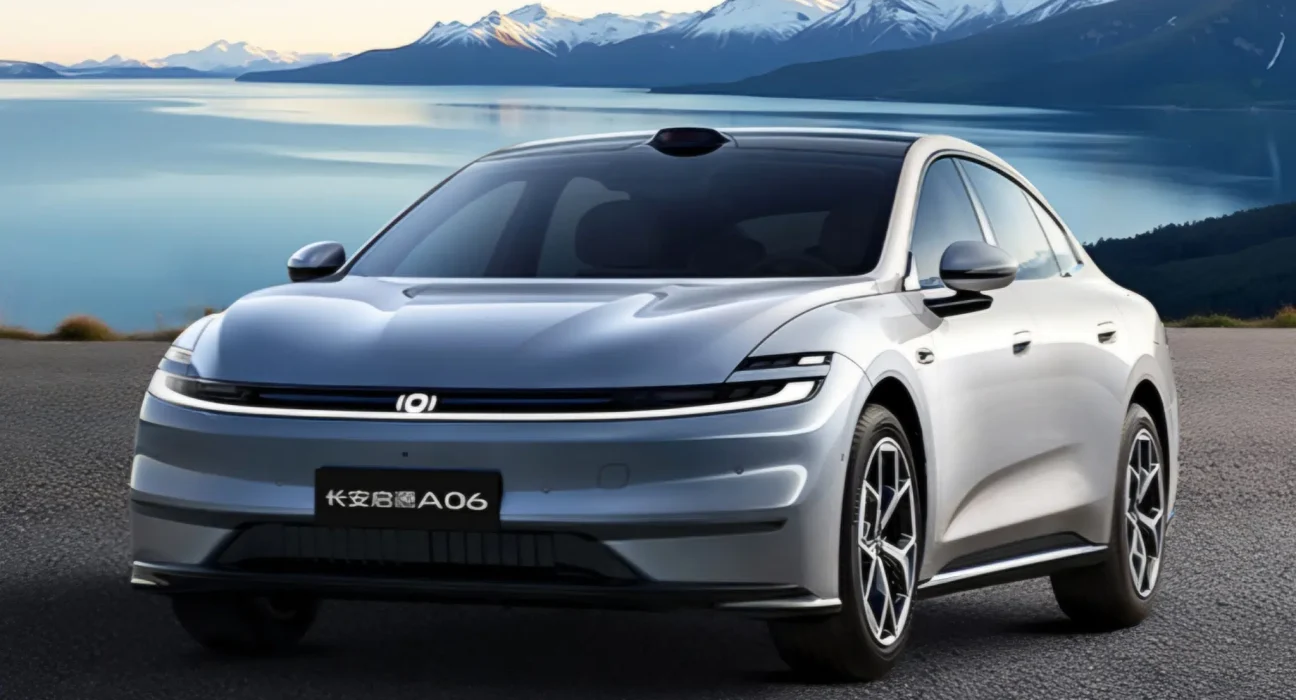
The model is the Changan Nevo A06, and on paper it reads like a practical everyday sedan. It carries a 45kWh battery pack and is expected to deliver over 400km of range on a full charge. What makes it different is not the range figure. It is the chemistry.
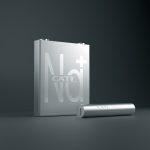
Instead of a lithium-ion pack, the Nevo A06 will use CATL’s new Naxtra sodium-ion battery.
Built for Extreme Cold
Cold weather has long been one of the pressure points for electric vehicles. Range drops. Charging slows. Battery performance becomes less predictable.
According to CATL, the sodium-ion pack in the Nevo A06 retained more than 90 percent of its original capacity at –40°C. In testing in Inner Mongolia, the car was reportedly able to charge normally at –30°C and continue operating in temperatures as low as –50°C.
Those figures matter.
They suggest that sodium-ion chemistry may offer a real advantage in colder climates, where winter reliability can shape the overall EV ownership experience.
Why Sodium Matters
Lithium-ion batteries remain dominant because of their higher energy density and established supply chains. They enable longer-range vehicles and fast-charging performance.
Sodium-ion batteries, by contrast, rely on more abundant raw materials. Sodium is widely available and not tied to the same level of resource concentration as lithium.
Energy density is lower, but stability in extreme conditions appears stronger.
The Nevo A06 does not attempt to replace lithium entirely. It introduces an alternative. A battery designed not for record-breaking range, but for consistency and practicality.
A Quiet First
The Nevo A06 itself is not positioned as an experimental concept. It is a production passenger sedan entering the market in a normal segment.
That is what makes this development notable.
Sodium-ion batteries are moving from lab testing into mass-produced vehicles. The shift is not dramatic in appearance. The car looks like any other modern EV.
But under the floor, the chemistry is different.
And that difference could shape how electric vehicles perform in climates and markets where lithium-based systems face limitations.
Source: GizmoChina