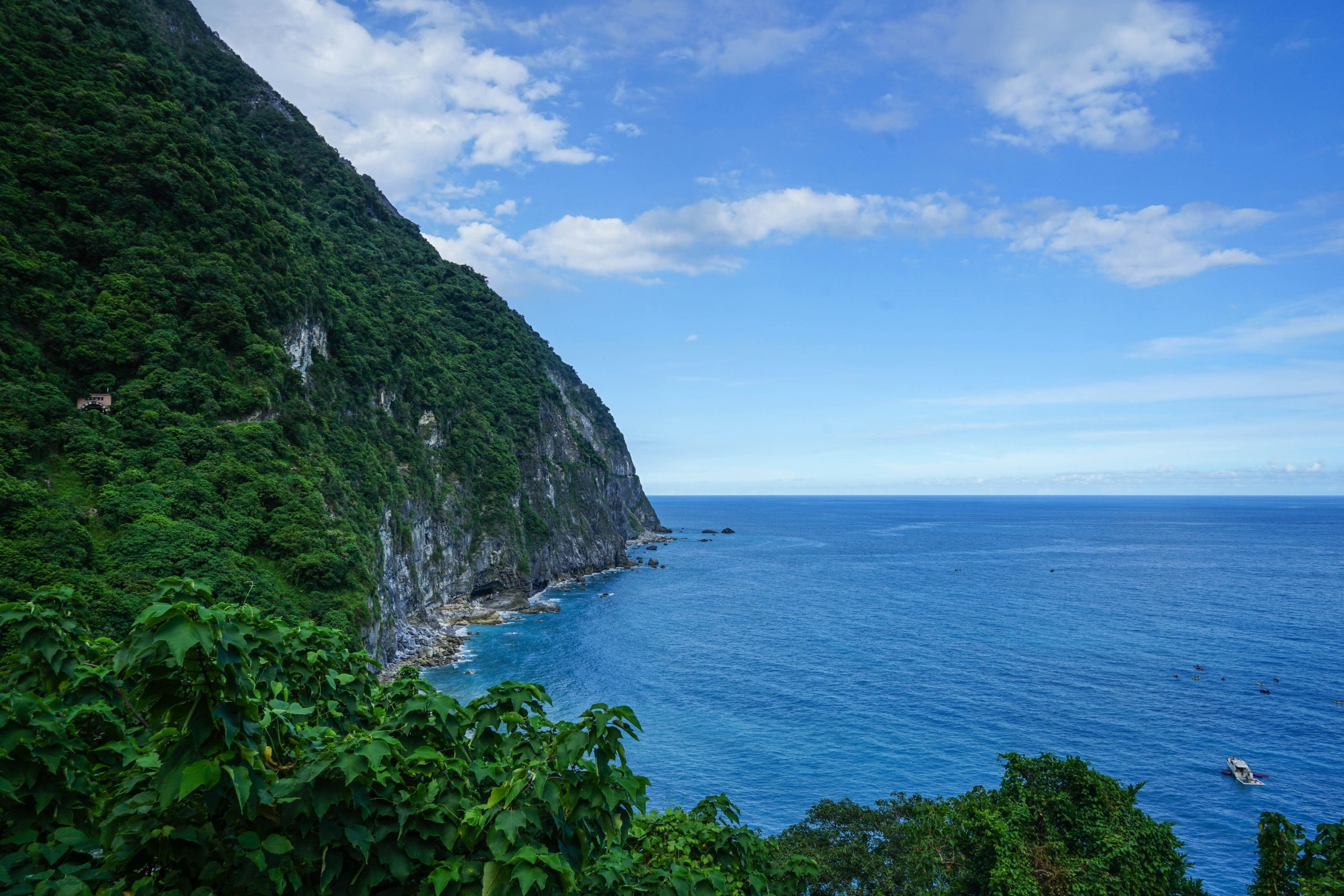

Georgia is rapidly shaping itself as a destination where travel and sustainability can go hand in hand. From mountain retreats powered by solar energy to community-driven ecotourism, the country is embracing a slow and conscious tourism philosophy that prioritises nature, culture and local communities rather than mass tourism or overdevelopment.
Eco-Friendly Lodging and Authentic Local Experiences
A core part of Georgia’s sustainable travel appeal is its growing number of small-scale, locally owned accommodations. Rather than large resorts, many visitors choose boutique lodges, family-run guesthouses or eco hotels that follow low-impact principles. These places often use renewable energy and energy-efficient building methods, especially in remote regions like the mountains. They highlight organic, farm-to-table food and support local agriculture, particularly in wine regions such as Kakheti, where wines are traditionally aged in clay qvevri jars.
Choosing such lodging helps tourism revenue stay within the community. Local guides, guesthouses and traditional restaurants benefit directly, preserving cultural heritage while reducing environmental impact.
Protected Nature, Eco Tours, and Responsible Adventure
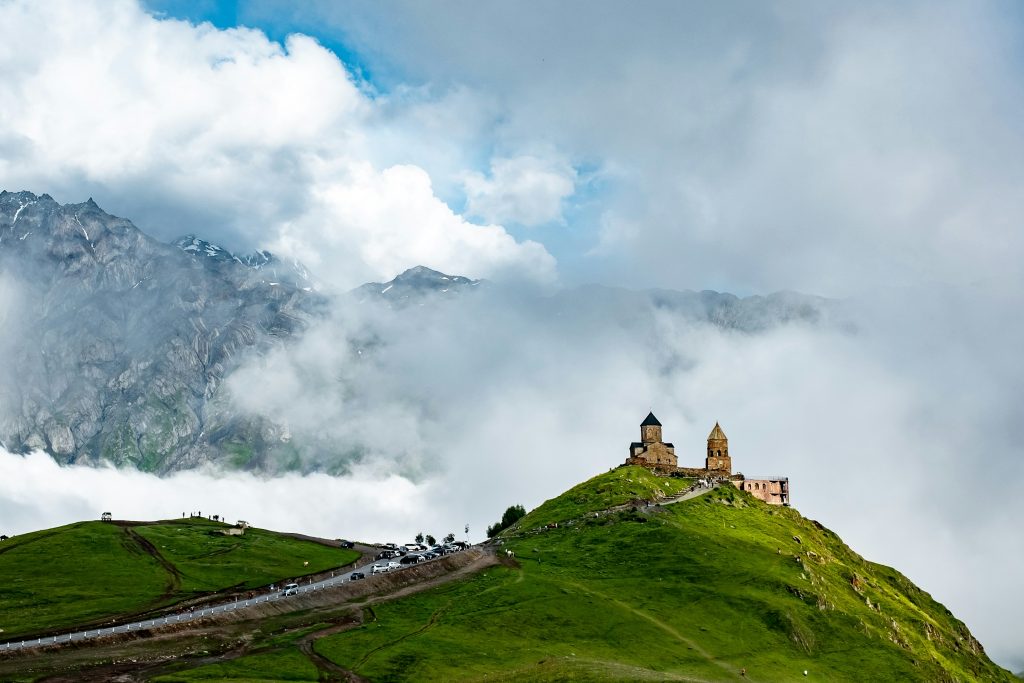
Georgia’s landscapes are a major attraction, and the country has expanded ecotourism possibilities within its protected areas and national parks. Borjomi Kharagauli National Park and other reserves have improved their sustainable infrastructure, with carefully planned hiking trails, eco-compliant campsites, and simple, conservation-minded cottages.
Local ecotourism groups emphasise responsible practice. This includes using local guides, supporting traditional artisans, promoting regional crafts, and encouraging visitors to shop and dine locally rather than rely on imported goods. Some agencies have even obtained global sustainability certification, reflecting their commitment to reducing environmental impact and strengthening community-based tourism.
Government and Industry Support for Sustainable Travel
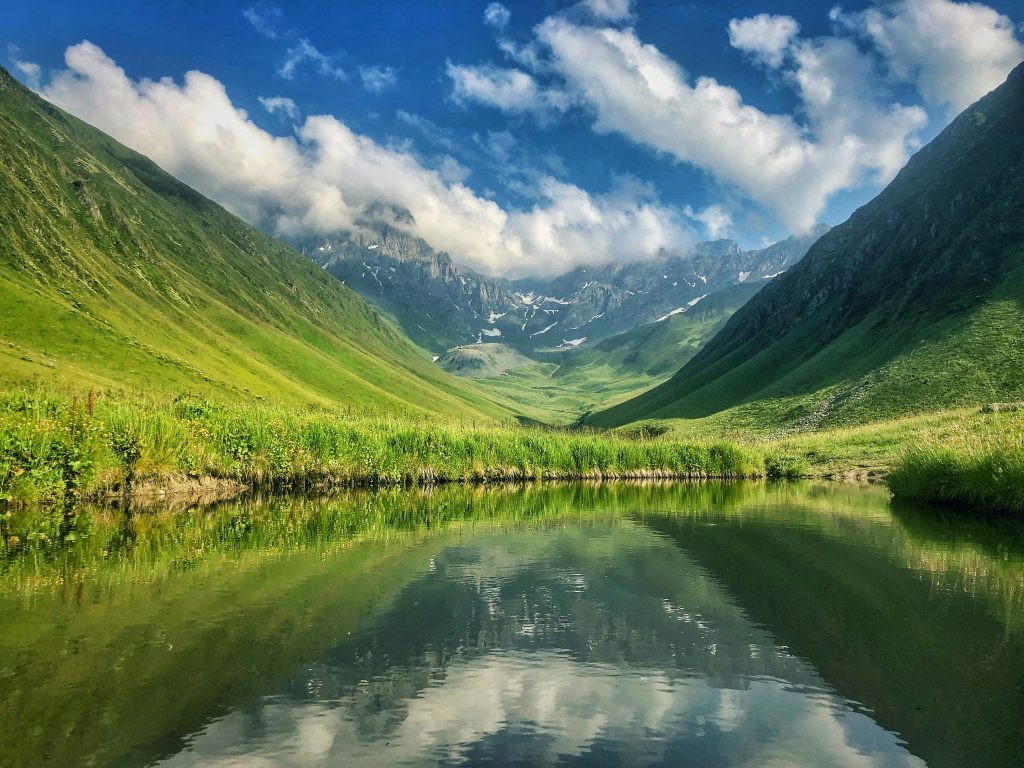
Sustainable tourism in Georgia is supported by both the public and private sectors. The government has identified ecotourism as a priority within its national tourism strategy. As a result, more funding and focus are being directed toward conserving protected areas, building travel infrastructure that aligns with sustainability goals and encouraging the growth of locally owned businesses over mass market operators.
Why Georgia Works for Eco-Conscious Travellers
- Diverse landscapes ranging from wine country and mountain regions to rugged coastlines and pristine national parks
- Accommodation options that are locally owned and environmentally mindful
- Tour models that benefit local communities and prioritise authentic cultural exchange
- Increasing government and industry investment in sustainable travel initiatives
- Ideal conditions for slow travel, cultural immersion, and nature-based experiences

Tips For Traveling Responsibly in Georgia
- Choose small guesthouses or eco-friendly boutique hotels rather than large international chains
- Use public transport or shared transfers when possible. Marshrutkas, buses, and rail make this approach realistic
- Eat local produce and traditional dishes, and support family-run restaurants and wineries
- Follow all guidelines in national parks, remain on marked trails, and support conservation efforts
- Opt for experiences that give back to local communities
Georgia is becoming an example of how a country can shape travel around nature, culture and community. Whether exploring mountain villages, hiking through protected forests, tasting natural wines or relaxing in eco lodges, visitors can enjoy meaningful experiences while supporting a more mindful form of tourism.