
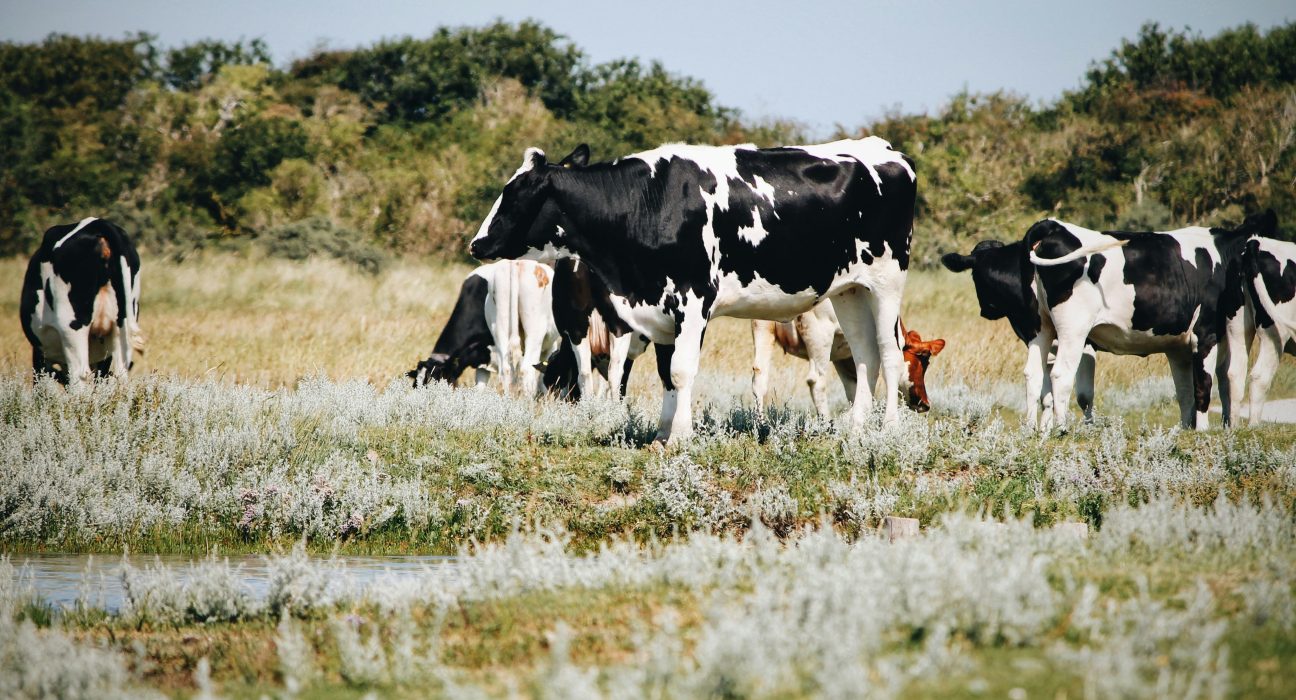
Dairy is one of agriculture’s largest sources of methane, a gas that warms the atmosphere far faster than carbon dioxide. Farms are now exploring new tools that can reduce emissions without compromising milk quality or animal welfare. Artificial intelligence is emerging as one of the most practical solutions. It brings more precision to feeding, herd health, manure management, and energy use.
Here are some of the key AI innovations helping dairy farms lower their climate impact.
AI-Driven Feed Optimisation
Feed is the single biggest contributor to a cow’s methane output. AI can analyse rumen sensors, milk yield patterns, animal behaviour, weather conditions, and feed composition. It then recommends diets that improve digestion and reduce methane formation.
These systems update daily. Farmers can adjust the balance of grain, forage, and additives according to real-time data. When paired with methane-reducing supplements, this approach can significantly lower emissions while keeping milk yield high.
Computer Vision for Herd Health
Healthy cows convert feed more efficiently and produce less methane per litre of milk. Computer vision tools use cameras and machine learning to monitor animals throughout the day. They track rumination, posture, walking patterns, and heat stress.
Early detection enables farmers to address issues before they impact digestion or milk production. This improves welfare and reduces emissions linked to poor feed efficiency.
AI for Manure and Biogas Systems
Manure is another major source of methane. Many farms now use anaerobic digesters to turn waste into renewable energy. These systems work best when temperature, moisture, and microbial activity remain stable. AI helps maintain those conditions by analysing gas levels and adjusting controls when needed.
AI can also guide the timing of manure separation. Splitting solids and liquids at the right moment reduces storage emissions and creates more consistent fertiliser for fields.
Precision Grazing and Pasture Management
Grazing strategy affects soil carbon, pasture quality, and overall emissions. AI mapping tools use satellite images, drone surveys, and GPS collars to evaluate pasture growth in real time. They identify areas with the best forage and help plan rotational grazing.
This approach improves soil restoration, increases carbon sequestration, and keeps cows eating nutrient-rich pasture. Better forage quality leads to better digestion and a lower methane footprint.
Energy Efficiency on the Farm
Dairy sheds require constant cooling, pumping, and ventilation. AI energy systems track equipment usage and learn daily patterns. They shift power consumption to cleaner periods and integrate on-farm renewable energy where possible.
This reduces electricity use and lowers the carbon footprint of milk production without changing farm routines.
AI and Low-Methane Genetics
Researchers are using AI to study the genetic and microbial traits linked to methane output. By comparing thousands of data points, AI can identify cows that naturally produce less methane while maintaining strong milk performance.
Selective breeding based on this information is a long-term strategy, but it has the potential to significantly reduce emissions in entire herds.
Climate Planning and Forecasting
AI models can forecast heat, drought, and forage yield. These predictions help farmers plan irrigation, cooling strategies, and crop planting. Better preparation improves animal comfort and stabilises feed supply, which indirectly reduces methane linked to stress or poor nutrition.
AI is not replacing farmers or traditional knowledge. It is providing sharper visibility into daily decisions that affect both climate and productivity. By improving feed efficiency, animal health, manure management, and pasture conditions, AI is helping dairy farms move toward a more resilient and lower-carbon future.
Sources:
DSM / Bovaer methane‑reduction research
arXiv – AI in cattle monitoring and feed optimisation
Pastoral Greenhouse Gas Research Consortium (NZ)