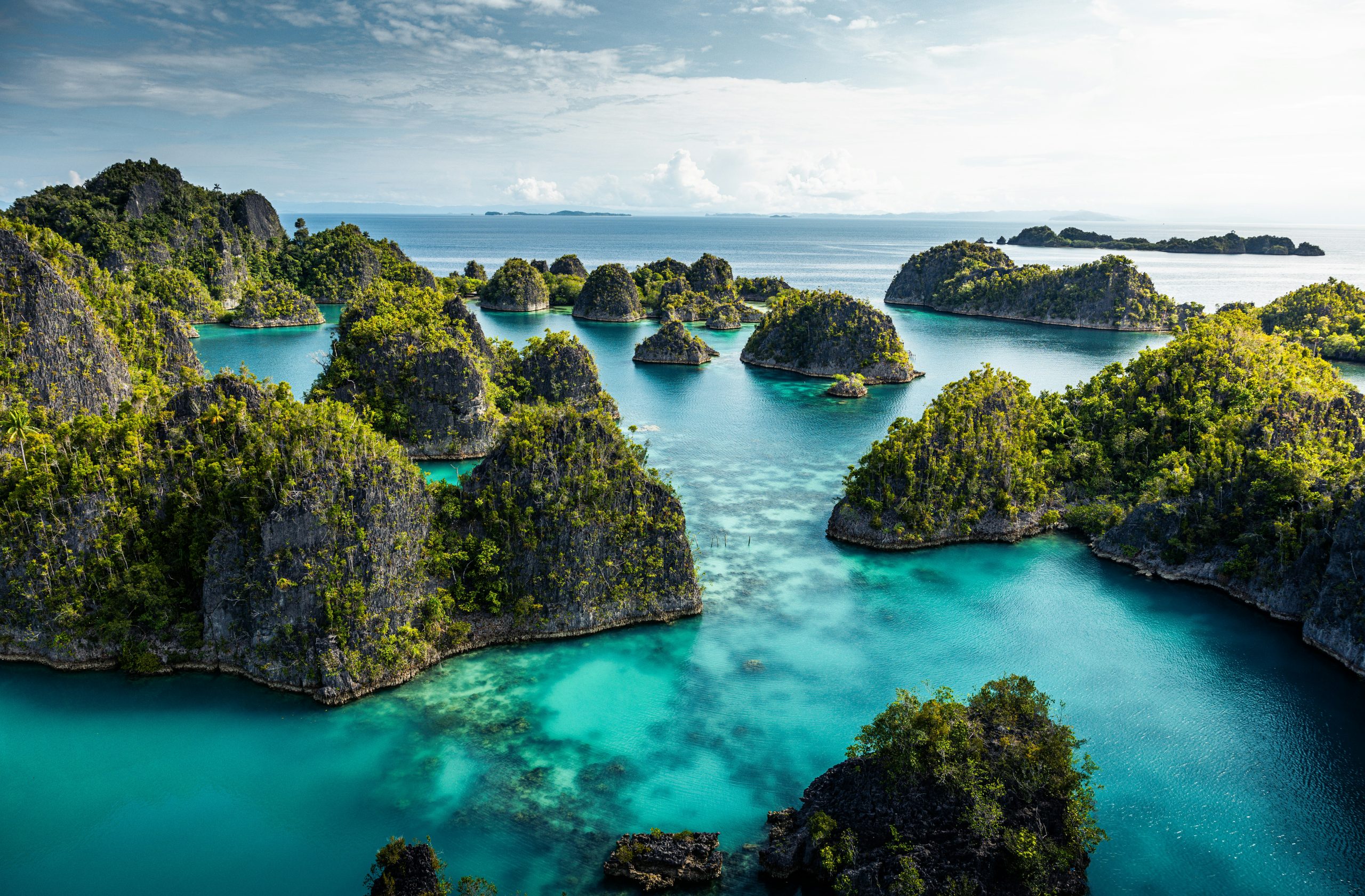
Slovenia has quietly become one of Europe’s leading examples of how small nations can achieve big sustainability goals. Known for its pristine lakes, dense forests, and forward-thinking environmental policies, this Central European country is setting benchmarks in renewable energy, sustainable tourism, and circular economy practices.
More than 65 percent of Slovenia’s land area is covered by forests, and over 75 percent of its electricity already comes from low-carbon sources, mainly hydropower, nuclear, and growing investments in solar. The government has committed to achieving net-zero emissions by 2050, aligning with the EU Green Deal and reinforcing its position as a model for sustainable progress.
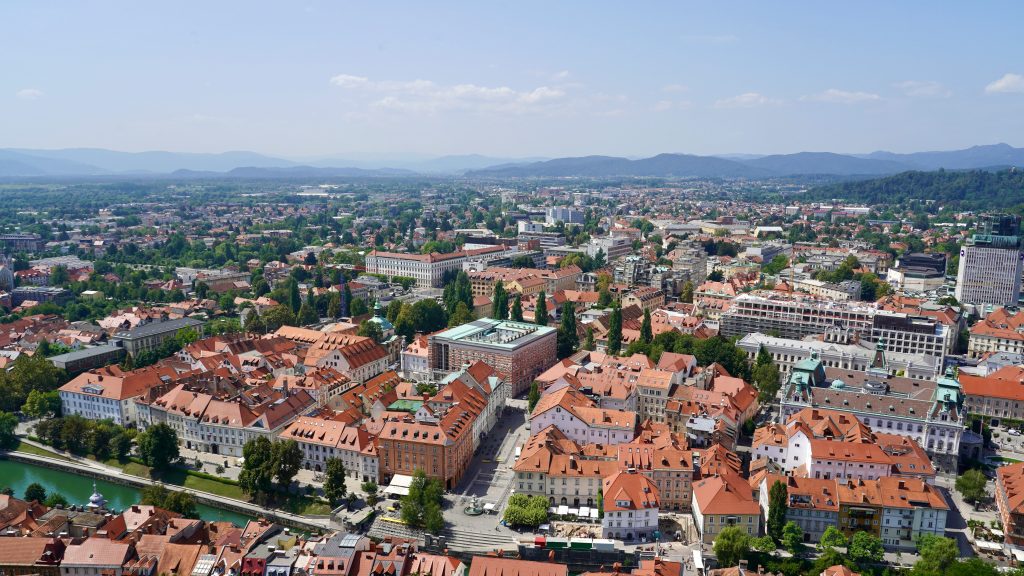
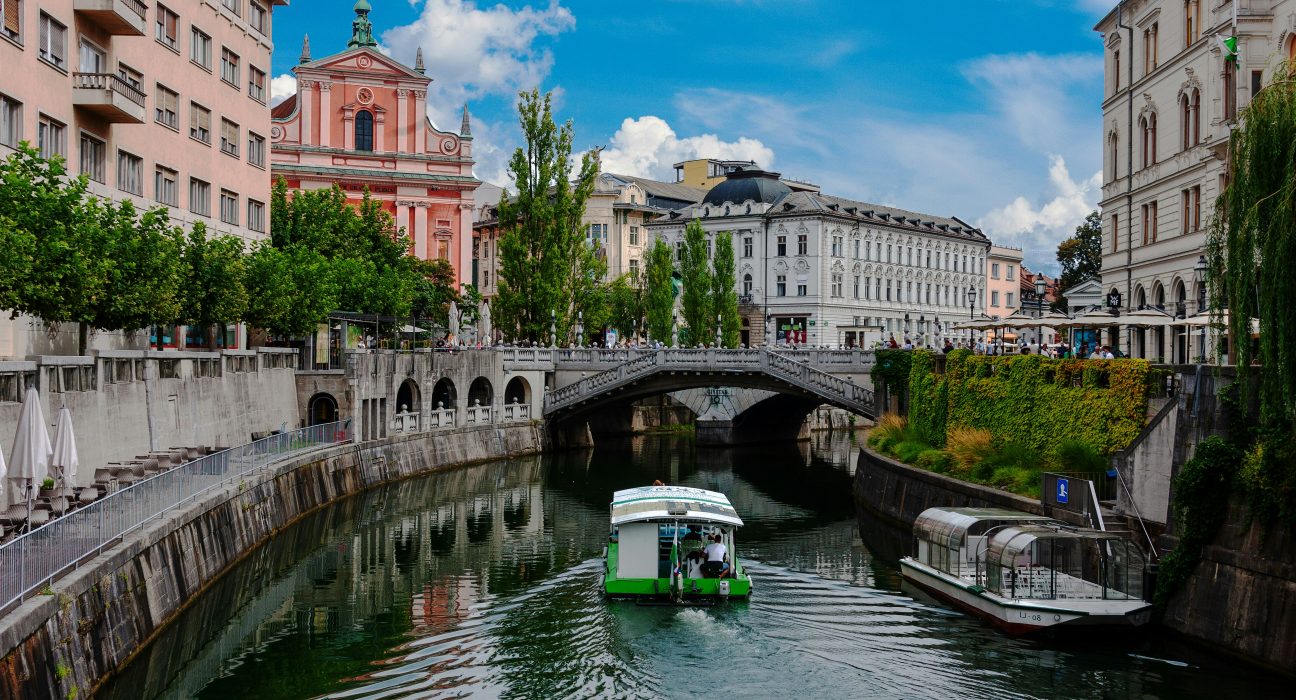
One of Slovenia’s most significant achievements is its commitment to sustainable tourism. Ljubljana, the capital, was named Europe’s Green Capital by the European Commission for its pedestrian-friendly layout, zero-waste goals, and renewable energy programs. Beyond the capital, regions like Bled and Bohinj have adopted eco-certifications, banning single-use plastics and promoting local, eco-conscious hospitality.
Slovenia’s clean-energy strategy also includes expanding solar farms and developing small hydropower stations to balance demand across its diverse terrain. The nation’s research institutes and startups are working on advanced materials recycling, green mobility, and energy storage technologies, reflecting an integrated, long-term vision for sustainability.
Slovenia proves that a balanced mix of policy, innovation, and local participation can create meaningful environmental impact without compromising economic growth or quality of life.
Source:
Integrated National Energy and Climate Plan (NECP). Government of Slovenia.
European Green Capital Award: Ljubljana 2016. European Commission.