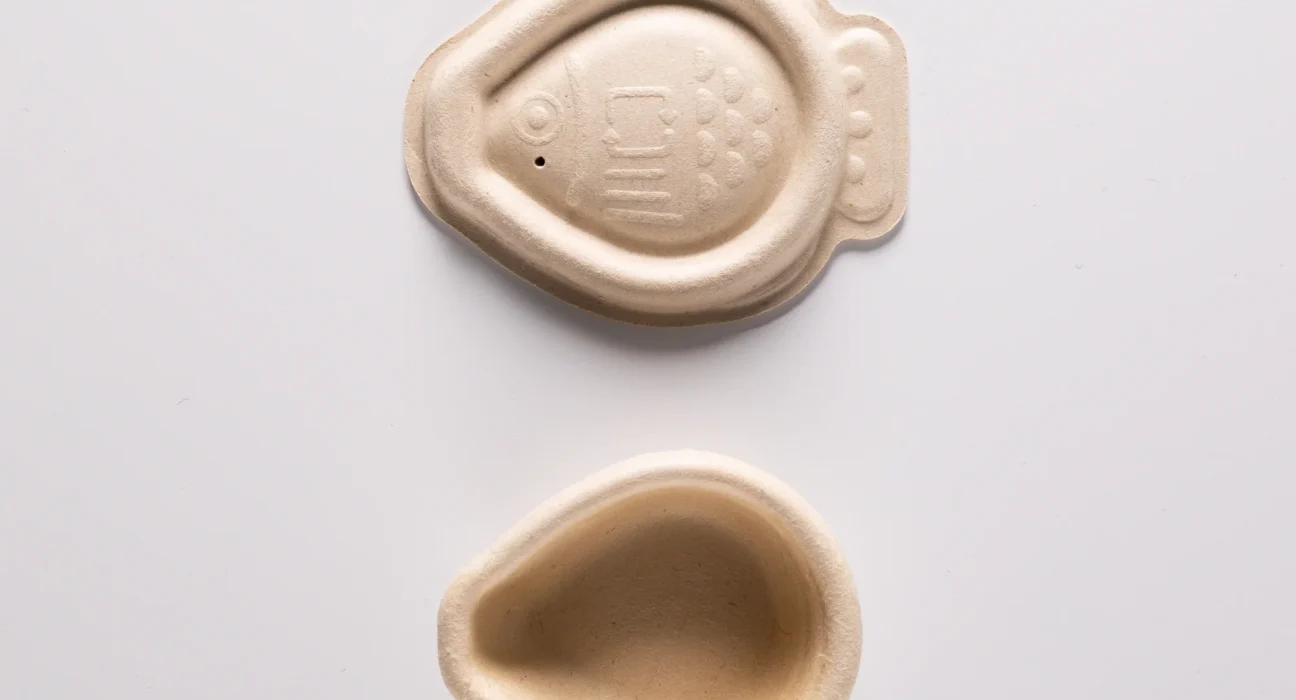
The tiny fish-shaped soy sauce container has long been a familiar part of takeaway sushi. Cute, convenient, and instantly recognisable, it also represents a major source of single-use plastic waste. Millions of these containers are discarded every year, often ending up as microplastic pollution in coastal waters.
Australian design studio Heliograf has reimagined this everyday item through a sustainability lens. Their new soy sauce dropper, called Holy Carp!, replaces petroleum-based plastics with sugarcane bagasse, a natural by-product from cane processing. The result is a dropper that is completely plastic-free, non-toxic, and home compostable.
Holy Carp! breaks down in soil in about four to six weeks, returning to the earth instead of persisting for decades. The design complies with single-use plastic bans and contains no PFAS, PLA, or plastic blends. For food operators, it offers a practical alternative that avoids the environmental burdens of traditional micro packaging.
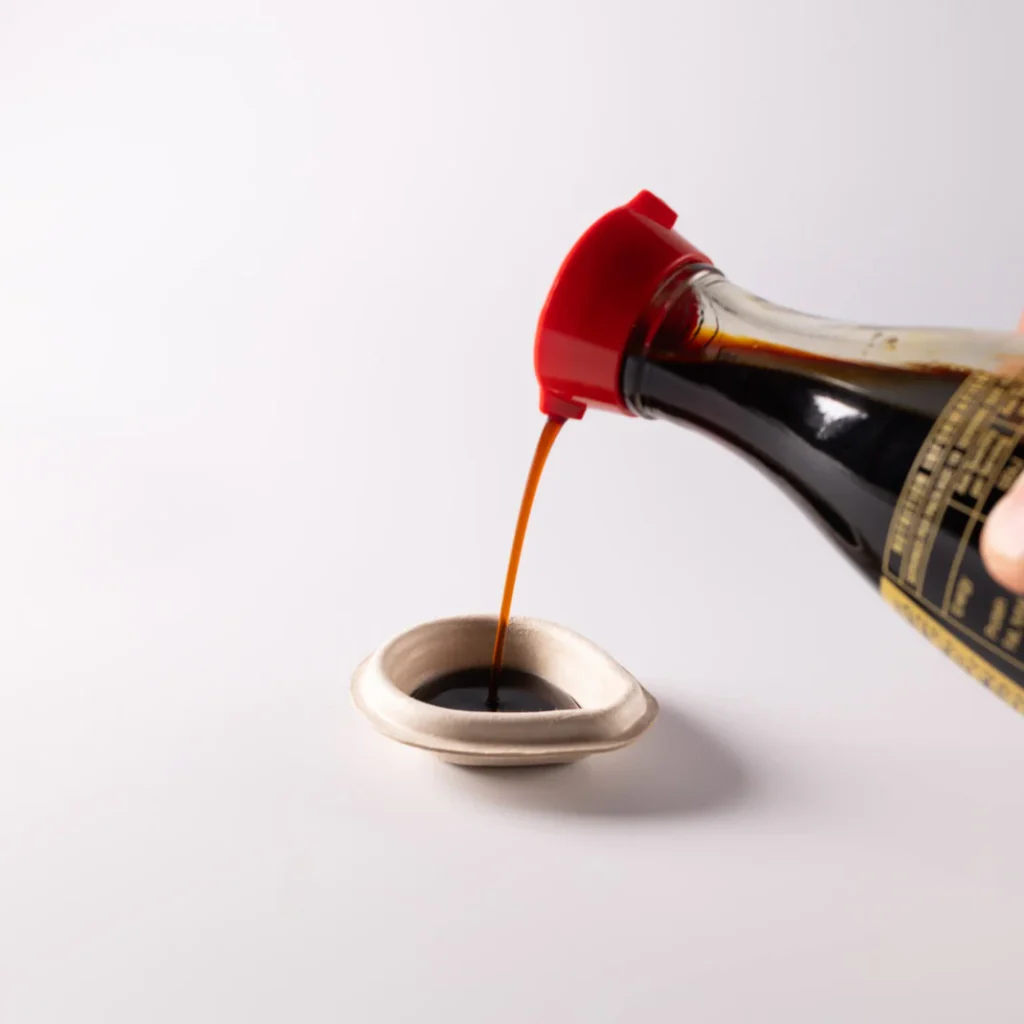
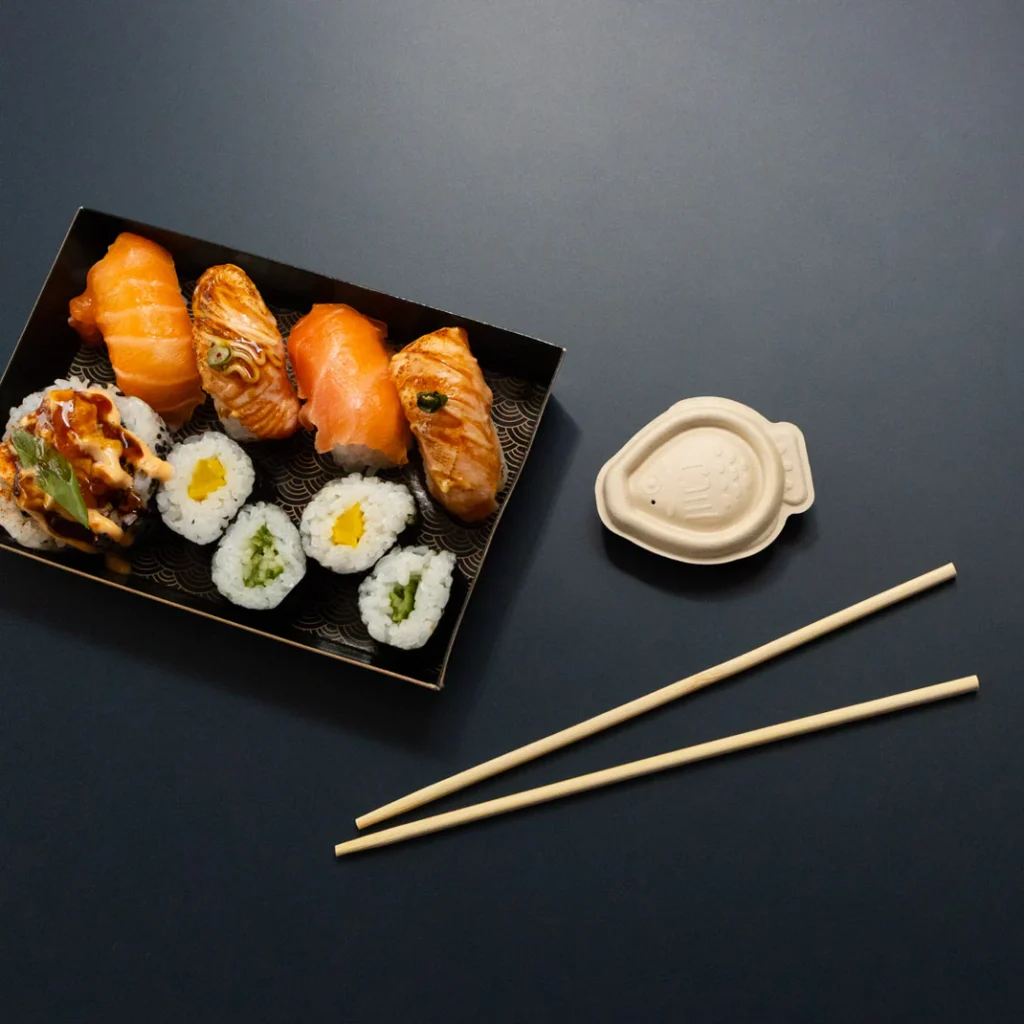
The form is familiar but purposeful. Each dropper holds around 12 ml of soy sauce, matching the original size used in sushi shops. Restaurants can fill the containers from bulk soy sauce bottles, reducing the number of disposable packets and supporting refill-based systems. Small details, such as measurement markers inside the container, show how the design considers everyday use.
Heliograf created the dropper as part of their wider mission to reduce ocean-bound waste through thoughtful design. The studio previously developed the Light Soy lamp, made from recycled ocean-bound plastic. Each lamp funds additional clean-up efforts, turning a playful object into a tool for environmental restoration. Holy Carp! continues this spirit by addressing a smaller but often overlooked source of plastic pollution.
The dropper’s bagasse construction also highlights a shift toward regenerative materials. Sugarcane pulp is already used in compostable cups and plates, but Heliograf’s redesign demonstrates how plant-based materials can work even in tiny, high-volume packaging. It offers a model for how the food industry can adopt circular materials without compromising convenience.
For travellers, restaurants, and sustainability-minded readers, Holy Carp! shows how design can transform even the smallest item into a meaningful step toward reducing waste. When scaled across thousands of eateries, compostable alternatives like this could prevent millions of single-use plastics from entering landfills and oceans each year.
Heliograf plans to roll out Holy Carp! across Australia, with wider international availability expected as demand for plastic-free packaging grows. Early online interest has already reached millions of views, showing how strongly this redesign resonates with both environmental advocates and design enthusiasts.
Images courtesy of Heliograf.
Source:
Designboom